Botox looks simple from the outside: a few tiny injections, a brief appointment, a smoother forehead or softer crow’s feet a week later. The reality is more nuanced. Technique, dosing, and anatomy knowledge matter as much as the product itself. Choosing a botox clinic is less like choosing a shampoo and more like choosing a surgeon. The right botox provider gives natural results and a reassuring experience. The wrong one risks asymmetry, droopy brows, a frozen look, or worse, a complication that takes months to resolve.
I have sat in on consultations that ran the gamut, from rushed, five-minute sales pitches to thoughtful assessments where the injector mapped out muscle movement and asked about dental grinding, migraines, and the patient’s tendency to bruise. The difference shows up later in the mirror. If you are searching for “botox near me” or trying to book botox for the first time, use the criteria below to separate top-rated botox clinics from the rest.
Results that look like you, not like the clinic’s Instagram
Good cosmetic botox starts with a conversation about your face, not just your lines. A trusted botox injector will watch how you animate while speaking, smiling, and frowning. Forehead botox, for instance, is not a single pattern for everyone. A tall forehead may need more units dispersed higher to avoid a heavy brow, while someone with a low-set brow benefits from conservative dosing above the brow to keep it lifted. The best botox providers tailor for:
- Forehead lines and glabella 11s in balance, to avoid “Spock” brows or droopy eyelids Crow’s feet softening that keeps your smile genuine, not flat Masseter botox for jaw clenching with mindful contouring, so chewing feels normal Lip flip botox in micro-doses to prevent speech changes or lip incompetence
A reputable clinic will show varied before and after examples: different ages, skin types, genders, and goals. You should see subtle changes that preserve character. If every face looks the same, or filters obscure details, be cautious.
Credentials matter more than decor
A chic botox med spa can distract from the basics. Qualifications for botox injections vary by region, but the principle holds: experience and training drive outcomes. Ask who will inject you. Is it a board-certified dermatologist, plastic surgeon, facial plastic surgeon, oculoplastic surgeon, or an advanced practitioner with focused training under physician supervision? Titles like certified botox injector or licensed botox injector mean little without context. Look for:
- Clear oversight and credentials you can verify with state or national boards Ongoing education in facial anatomy and complication management A minimum of hundreds, ideally thousands, of cosmetic botox treatments performed
I have seen nurses who outperformed physicians because they specialized in neuromodulators all day, every day, and had a physician on site for support. Conversely, I have seen physicians dabble in botox with average outcomes because their focus lay elsewhere. Credibility is track record plus transparency.
A proper botox consultation sets the tone
A quality botox consultation takes 15 to 30 minutes the first time. Expect a medical history review: allergies, neuromuscular conditions, migraine history, dental grinding, past botox results and longevity, desired look, and budget. The injector should assess brow position, lid laxity, muscle dominance, and asymmetry. I like to see injectors use a mirror and mark injection points with you sitting upright, since gravity changes when you lie down.
This is the right moment to ask how many units of botox you will need and why. Typical ranges for cosmetic botox, using on-label guidance as a starting point, look like this: 10 to 30 units for forehead lines, 10 to 25 units for glabella lines, 6 to 24 units for crow’s feet (both sides combined). Many providers work within these ranges then adjust for muscle strength, sex, and past response. What matters is the reasoning. If a clinic simply sells a “forehead area” without explaining units and anatomy, keep looking.
Safety practices you should actually see
You do not need a laboratory to deliver safe botox injections, but you do need standards. Watch for single-use needles, clean injection technique, and a fresh botox vial reconstituted with sterile saline. Top-rated clinics document lot numbers and expiration dates. Refrigeration and handling matter because botulinum toxin is a delicate protein. A trusted botox provider will also review botox risks and side effects before treatment: chance of bruising, swelling, a mild headache, heaviness if dosing migrates or diffuses, and rare issues like eyelid ptosis that can last weeks. When a clinic is willing to discuss downside scenarios without getting defensive, you have likely found a professional.
The pricing question: cost per unit vs per area
“How much is botox?” depends on geography, injector experience, and pricing model. In many cities, botox cost per unit ranges from 10 to 20 dollars. Some clinics price by area, for example a flat fee for glabellar lines or crow’s feet, regardless of units used. There is no single right approach, but you should know what you are getting. I prefer per-unit pricing for transparency. If your forehead needs only 8 units for a light touch, you should not have to pay for 20. If you need 40 units for strong masseters, per-area pricing may underdose you to protect the clinic’s margin.
Be careful with botox specials and botox deals that seem too good to be true. Deeply discounted pricing can indicate dilution beyond manufacturer guidance, reusing vials past best practice, or delegating injections to inexperienced staff. Affordable botox is possible with package pricing, loyalty programs through the manufacturer, or a botox payment plan for larger therapeutic use cases like migraine botox or underarm botox for hyperhidrosis. Transparent clinics will outline options without pressuring you.
Technique: where great results are made
Two people can inject the same number of units into the same area and deliver completely different outcomes. Injection depth varies by target muscle. The frontalis, which lifts the brows, sits superficially. The corrugator and procerus, which pull the brows inward and down, lie deeper. The orbicularis oculi around the eye is a ring muscle that demands careful, shallow placement to avoid a smile that looks weak. Masseter botox for clenching, grinding, or facial slimming needs mapping of the muscle’s anterior and posterior borders to prevent chewing weakness or an uneven jawline.
A top-rated botox provider tracks these nuances. They also stage treatment when appropriate, especially for first timers. I like a clinic that says, “Let’s underdose your first session and add a touch-up at two weeks if needed.” This approach avoids overcorrection and builds trust.
Therapeutic uses: not only for wrinkles
While most people search for cosmetic botox or botox for wrinkles, a significant number use botox for chronic migraines, TMJ pain, or excessive sweating. If you are seeking botox for migraines, look for a clinic or specialist who follows evidence-based injection patterns and has treated patients at the 155 to 195 unit range typical for migraine botox. Insurance may cover therapeutic indications, but coordination takes administrative muscle. Ask how the clinic handles preauthorization and follow-up.
For hyperhidrosis, underarm botox can reduce sweating for 4 to 6 months, sometimes longer. Palmar hyperhidrosis botox, or botox for sweaty hands, requires more injections per palm and can be uncomfortable without proper numbing. The injector should discuss temporary Expert Botox services Cherry Hill NJ grip weakness as a trade-off. Similar considerations apply to botox for sweaty feet. Scalp sweating botox can help with exercise or event-related sweating, but the field is large, which affects price and time.
Area by area: what a thoughtful injector considers
Forehead lines: The higher you place forehead botox, the more likely you are to preserve a natural brow lift. Dose too low or too heavy, and the brows may drop. A good plan accounts for pre-existing brow ptosis.
Glabella 11 lines: These are the vertical frown lines between the eyebrows. Adequate dosing is important because underdosing leaves lines partially etched and can create a scowling look when the forehead relaxes but the glabella stays active. Severe 11 lines may need combination treatment later, such as microneedling or filler, after muscle relaxation.
Crow’s feet: The goal is softening, not erasing. If crow’s feet botox removes every crinkle, the midface can look stiff. A few lines while smiling are normal and attractive.
Bunny lines: These small nose wrinkles respond to tiny doses. Overshoot, and you risk an odd smile or upper lip stiffness.
Lip flip: The botox lip flip uses very low units in the orbicularis oris to relax the upper lip, making it show slightly more at rest. It does not increase lip volume like filler. If you drink from straws often or play a brass instrument, tell your injector so they keep the dose minimal.
Chin dimpling: Mentalis botox smooths a pebbled chin. Placement matters to avoid mouth corner droop. An experienced botox injector will also assess dental occlusion, since a hyperactive mentalis sometimes compensates for bite issues.
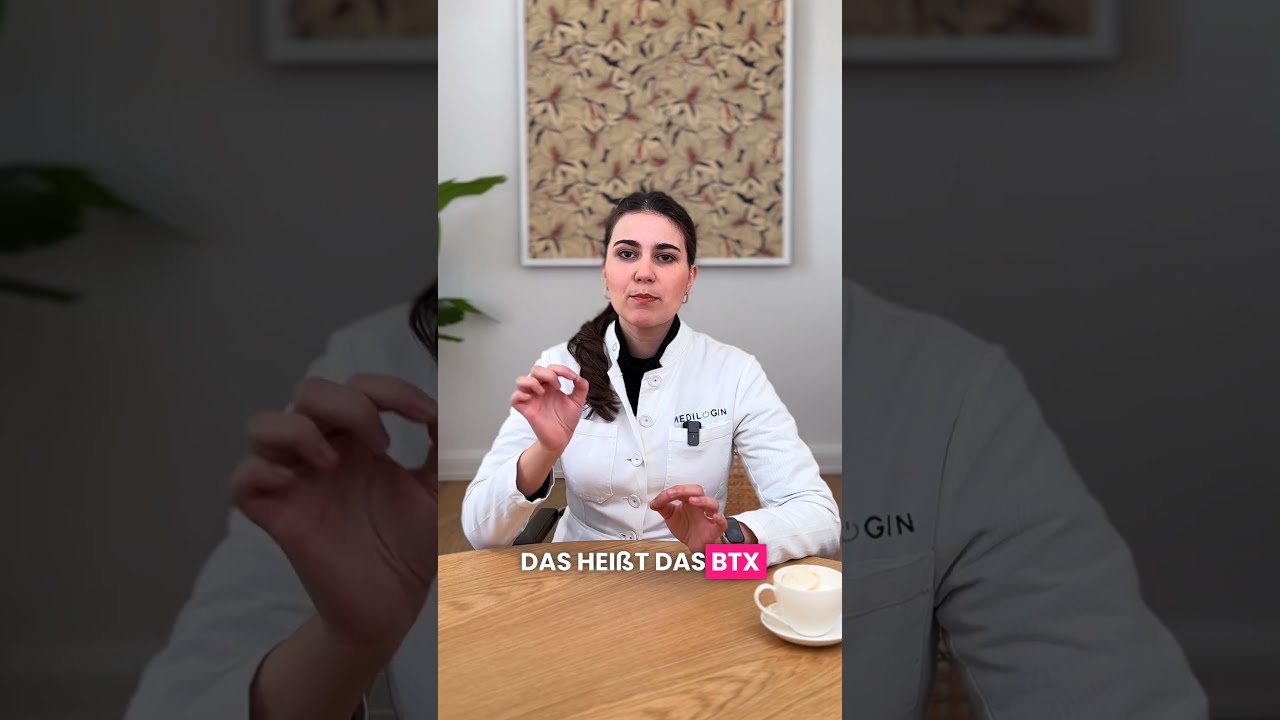
Masseter: For jaw clenching or bruxism, botox for masseter can soften the angle of the jaw and reduce pain, but you may notice chewing fatigue for a week or two. Dosage varies widely, often 20 to 50 units per side to start, with adjustments at 8 to 12 weeks. Precision prevents hollowing near the cheek.
Neck bands: Platysmal bands botox can smooth cords and improve jawline definition in select cases. If laxity is the main issue, neuromodulators help less than skin tightening or surgery. A good botox clinic will tell you when another modality works better.
Brow lift: A mild botox brow lift uses opposing muscle groups, relaxing the brow depressors while keeping the forehead muscle strong enough to lift. Tailoring makes the difference between bright eyes and a “surprised” look.
Gummy smile: Small doses in the levator labii muscles reduce upper gum show. Overdo it, and the smile looks flat. A top-rated botox provider knows when to combine this with lip filler for balance.
Underarms and scalp: For sweating, coverage pattern and dose density drive results. Ask to see a typical grid map and how they manage comfort.
The timeline: from booking to results
A typical botox appointment spans 15 to 30 minutes. You might do a botox consultation on the first visit, then proceed to injections if you feel comfortable. The actual injection time is often under 10 minutes. Most people describe the sensation as quick pinches. If you bruise easily, ask for an ice pack and avoid heavy exercise for the rest of the day. You can usually return to work immediately, though minor redness or swelling settles within an hour.
When does botox kick in? Expect a gentle onset at day 2 or 3, with full results at day 7 to 14. If you are new to botox, schedule your first session at least two weeks before any event. How long does botox last? For cosmetic areas, typical longevity runs 3 to 4 months. Crow’s feet sometimes wear off a bit sooner, and masseter botox can last 4 to 6 months in some patients. Longevity depends on metabolism, dose, and muscle strength. If you lift heavy, run long distances, or have a fast metabolism, you may notice shorter duration.
A thoughtful clinic will invite you for a two-week follow-up to assess symmetry and fine-tune. Small touch-ups make results look polished without increasing cost dramatically. It also builds a record of your ideal units for future visits.
Aftercare that actually matters
Botox aftercare is simple, but certain details help. Avoid lying flat for 3 to 4 hours after treatment. Skip vigorous exercise the same day to reduce the chance of diffusion. Do not rub the injected areas that evening. Makeup is typically fine after a few hours, as long as you dab rather than massage. If you get a headache, acetaminophen is preferred over NSAIDs to limit bruising, though a single ibuprofen tablet rarely causes issues in most people. Small bumps at injection sites resolve in minutes. Minor bruising can happen, especially around the eyes; plan your botox appointment with this in mind if you have an event coming up.
Red flags that signal a hard no
A few patterns set off alarms. If a clinic cannot tell you who will inject you or dodges questions about training, leave. If pricing is opaque, with “one area” that somehow keeps shrinking as you ask for specifics, leave. If you feel pressure to add areas you did not ask about or to prepay for large packages to “lock in” a discount before you have even tried a single treatment, leave. If your concerns about botox risks are brushed aside with platitudes instead of clear answers, choose another botox provider.
How to read reviews and portfolios without getting misled
Online ratings help, but learn to read between the lines. A top-rated botox clinic should have a steady volume of reviews spread over time. Focus on comments about listening skills, natural results, and how the clinic handled adjustments or minor issues. A glowing review that praises cheap botox and “zero movement” may not align with your goals if you want subtle animation. Also, watch for before and after images that show consistent lighting and angles. If every “after” is heavily made up or shot from farther away, the comparison may be less reliable.
What an honest conversation about units and cost sounds like
Here is how a straightforward dialogue goes. You ask, “How many units of botox do I need for my forehead and 11s?” The injector replies, “On your face, I recommend 8 to 12 units in the forehead to keep your brow light, and 16 to 20 units between the brows since those muscles are strong when you frown. That puts you at 24 to 32 units total. At 14 dollars per unit, your total would be 336 to 448 dollars. If we underdose and you want a touch-up at two weeks, we can add a few units then, and you only pay for the additional units.” This clarity shows respect for your budget and your outcomes.
When combination therapy beats botox alone
Botox softens lines made by muscle movement. If you have etched-in static lines, especially in the glabella or forehead, a single botox treatment may not erase them. Over time, reduced movement lets lines fade, but you might want complementary treatments. Light resurfacing, microneedling, or hyaluronic acid filler in select spots can help. The right clinic will suggest a sequence: first relax the muscle with botox, then reassess the remaining crease six to eight weeks later. This staged approach prevents overfilling in areas that improve once muscles calm down.
Comfort and communication in the chair
A good botox clinic feels calm and unhurried. You should be seated upright for marking, then reclined slightly for injections if necessary, then upright again to review symmetry. The injector should describe each step before it happens. If you want numbing cream or ice, ask. If you have a history of vasovagal episodes with needles, tell them so you can lie flat and take time. It is your face, and you deserve a clinically competent, humane experience.
Getting from “botox injector near me” to booked with confidence
Searching “botox injection near me” yields dozens of options. Narrow the field with three practical steps:
- Verify the injector’s credentials and scope of practice with the appropriate board or licensing authority, then scan their treatment gallery for variety and restraint. Call and ask direct questions about units, pricing model, typical dosing for your areas, and the follow-up policy for tweaks at two weeks. Schedule a botox consultation first, not a rushed same-day treatment. Bring your questions, past photos, and a sense of the look you want to keep, not just the lines you want to erase.
These small steps help you find a clinic that will earn your trust over multiple visits. You will get consistent botox results, not a swing between underdone and overfrozen.
Special scenarios worth discussing before treatment
If you have an upcoming MRI or medical procedure, mention it. If you plan a dental appointment soon after masseter botox, you may feel temporary chewing fatigue. If you are on blood thinners, you can still receive botox injections, but bruise risk increases, and pressure application after each injection point matters. Pregnant or breastfeeding patients should defer cosmetic botox; most reputable clinics will decline treatment in these cases.
If you are prone to eyelid droop, tell your injector. Some patients have pre-existing levator weakness or thin upper lids that need conservative forehead dosing. A skilled injector will demonstrate how your brows move and explain how to avoid heaviness.
For migraine botox, ask about the PREEMPT protocol and whether your clinic follows it or a modified plan. Insurance eligibility usually requires documented chronic migraine frequency. A clinic experienced in migraine botox will guide the paperwork, schedule, and dose, often 155 units spread across head and neck regions every 12 weeks.
The quiet value of consistency
Once you find the best botox provider for you, stick with them. The value compounds. They learn how many units your glabella holds comfortably, whether your crow’s feet prefer three injection points or four, and how long your results last. They save your injection maps and refine them. You avoid the common pitfall of bouncing between clinics for botox specials and riding a roller coaster of results. If your budget is tight, align your maintenance to key times of year rather than chasing monthly deals. Four well-timed sessions across 12 to 16 months often beat sporadic, deeply discounted treatments that never quite land.
" width="560" height="315" style="border: none;" allowfullscreen="" >
A word on product names and alternatives
Botox Cosmetic is the brand many people know, but other FDA-cleared neuromodulators exist, such as Dysport, Xeomin, Jeuveau, and Daxxify. They all relax muscles through similar mechanisms but differ in onset, spread, and duration characteristics. A clinic that stocks multiple options and can explain “why this for you” tends to be more patient-centered. For example, some patients prefer a faster onset, others want a slightly longer duration, and some respond better to one brand over another. If you have used botox for years and want to try an alternative, discuss what to expect and how dosing conversions work.
Choosing the clinic that fits your life
Your ideal botox clinic fits more than your face. It fits your schedule, your budget, and your communication style. If you need early morning appointments, ask. If you prefer texting for follow-ups, confirm the clinic’s system. If you want a private setting without a packed waiting room, prioritize medical practices with appointment spacing rather than high-volume med spas. None of these factors replace credentials, but they affect whether you keep your botox appointments and stay on a healthy cadence.
A practical path forward
The first step may be as simple as taking clear, relaxed photos of your face in good light: neutral expression, raising brows, frowning, smiling. Bring them to your botox consultation. Show how your lines look at rest and in motion. Tell the injector what you like about your features, not just what you want to change. Ask about dose ranges, price per unit, expected longevity, and the plan if you need a touch-up. Clarify aftercare and scheduling. Then sit with your gut. Do you feel heard, or handled? A top-rated botox clinic earns its reputation with every small step in this process.
If you are searching for botox treatment near me or looking to book botox for the first time, use these markers to find the clinic that cares as much about your result as you do. The right match looks natural, feels effortless, and keeps you confidently in your life, not in front of your mirror.